
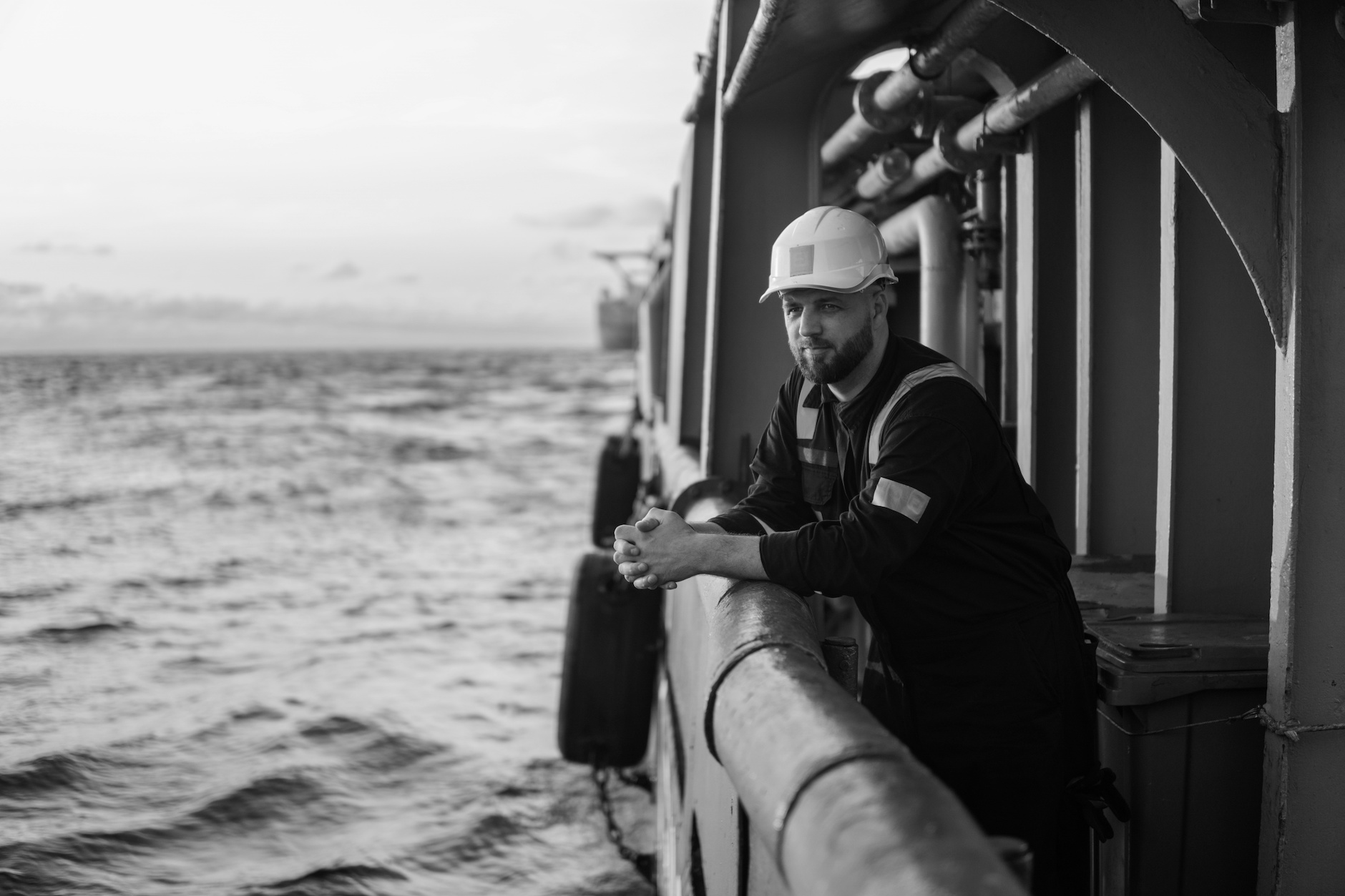
In the vast and ever-evolving landscape of energy exploration, the topic of oil drilling continues to capture the attention of both industry experts and the general public. As the world’s energy needs persist, so does the discourse surrounding the methods and implications of oil drilling. Let’s delve into some of the trending discussions surrounding this crucial industry and explore the potential for a more sustainable future.
- Embracing Technological Innovation
Oil drilling has come a long way since its inception, and the journey is far from over. Cutting-edge technologies are reshaping the drilling process, making it safer, more efficient, and less environmentally impactful. From advanced seismic imaging techniques that enhance exploration accuracy to automated drilling systems that minimise human intervention, technology is revolutionising the industry.
- Balancing Economic Gains with Environmental Concerns
We are used to hearing about transitioning away from fossil fuels to renewable energy and this can often leave people in the industry wondering about taking their careers in a new direction. However, the global demand for energy remains high, and oil continues to be a significant contributor and there is not an infrastructure in place to support this demand. There will therefore be a place for energy from oil &gas to aid the transition and as sites become increasingly more difficult to access the demand for experienced crewincreases…
- Raising the Bar on Safety Standards
Safety is a top priority in oil & gas drilling. As industry and technology advance quickly, safety measures evolve to match this pace. Measures with the prime objective of preventing incidents and accidents that ultimately protect workers. . The industry mitigates safety priorities as PEAR – People, Environment, Asset and Reputation ensuring that the safety of people is first and foremost enhanced training, real-time monitoring systems, and robust emergency response plans are gaining attention, ensuring that drilling operations are not only productive but alsosafe.
- Investing in Yourself
Another aspect which is often overlooked is the insight and knowledge gained from years and years of drilling experience in incredibly technically demanding situations. This is important for two reasons; Firstly, it means that qualifications, experience and skill in drilling engineering are in high demand. As the industry balances the increasing demand for energy, globally, coupled with the ever less accessible wells. Secondly, the offshore renewables sector will face many of the same challenges that the drilling sector has learned to navigating seabeds, streamlining processes and best practices – and even dealing with the weather! There’s a lot that an experienced driller will be able to offer the renewables sector so keep investing in your skillset.
- Local and Global Socioeconomic Impact
Oil drilling has significant socioeconomic implications, both locally and globally. The industry creates jobs, fuels economies, and contributes to government revenues. Discussions around responsible drilling are spotlighting the importance of engaging with local communities, respecting cultural heritage, and addressing concerns about the industry’s social impact.
Conclusion
Oil drilling remains a topic of immense relevance and discussion, fueled by evolving technologies, environmental consciousness, safety considerations, and the drive towards a cleaner energy future. As trends continue to shape the industry, collaboration among stakeholders, innovation, and a shared commitment to sustainability will be the driving forces that pave the way for a responsible and transitioning drilling sector. Whether you’re an industry insider or an interested observer, staying informed about these trends can provide valuable insights into the future of energy exploration.
Recent Posts

OEUK Introduces 124kg Offshore Weight Limit for Safer Operations
Offshore Energies UK (OEUK) has announced a new safe clothed weight limit of 124kg for all offshore workers, effective November 2026. Learn what this means for offshore personnel, how the phased roll-out works, and how GRN Drilling supports candidate wellbeing and compliance.

UKCS Clothing Policy Winter Changes
This month you’ll be required to wear 3 layers under your survival kit when you are mobilising. There are some statements about what is required so we’ve put the information together for you so you are all set for your next trip.
So When is this required?
Between the 1st of October and the 31st of May, when you go offshore you must wear 3 layers of clothing under your survival kit. An example of this would be a long sleeve top, short sleeve top and a jumper.
Between the 1st of June and the 30th of September this is classed as summer and you only need 2 layers (e.g. a T-shirt and a jumper)
What is approved
Tops
• T-shirts
• Long Sleeve tops
• Jumpers (but not hoodies!)
• Jackets
Leg-wear
• Trousers
• Jeans
• Tracksuit Bottoms
Footwear
• Trainers
• Boots
• shoes
What is NOT Approved
Tops
• Hoodies
• Dresses
Leg-wear
• Skirts
• Shorts
Footwear
• Crocs
• Sandals/Flipflops
• High Heels
Common questions
Here are some common questions and the answers from Step Change in Safety.
Can I wear jeans?
Yes you can wear jeans to travel in.
Why is summer in June and not May?
We took the average sea temperatures of the UKCS over a number of years to decide when the water is warmer and when it is colder, therefore requiring more or less layers. We then used this information to decide that Summer is from 1st June – 30th September and Winter is 1st October – 31st May.
Why three layers in winter?
Studies have shown that the more layers you have on, the lower your risk of getting hypothermia when exposed to cold water.
During winter you must wear 3 layers, one of which must be a long-sleeved top. It is important to protect your core so more layers are required to cover your chest and internal organs.
Why no hoodies?
Hoodies, or any item of clothing with a hood, will interfere with the neck seal of the survival suit. It is essential that the seal around your neck and wrists is strong so that in the extremely unlikely event you are in the water there are no weaknesses in the seals to allow water into the suit.
Polo-necks and jackets with high collars also pose a risk to the neck seal.
Any other questions?
Remember, our team are here for you and we are always happy to answer any question you have big or small! You can also find more information at https://www.stepchangeinsafety.net/

GRN Kilt Walk 2024
We did it! A fantastic day on Sunday as the GRN team completed the 18 mile Kilt Walk to raise...