
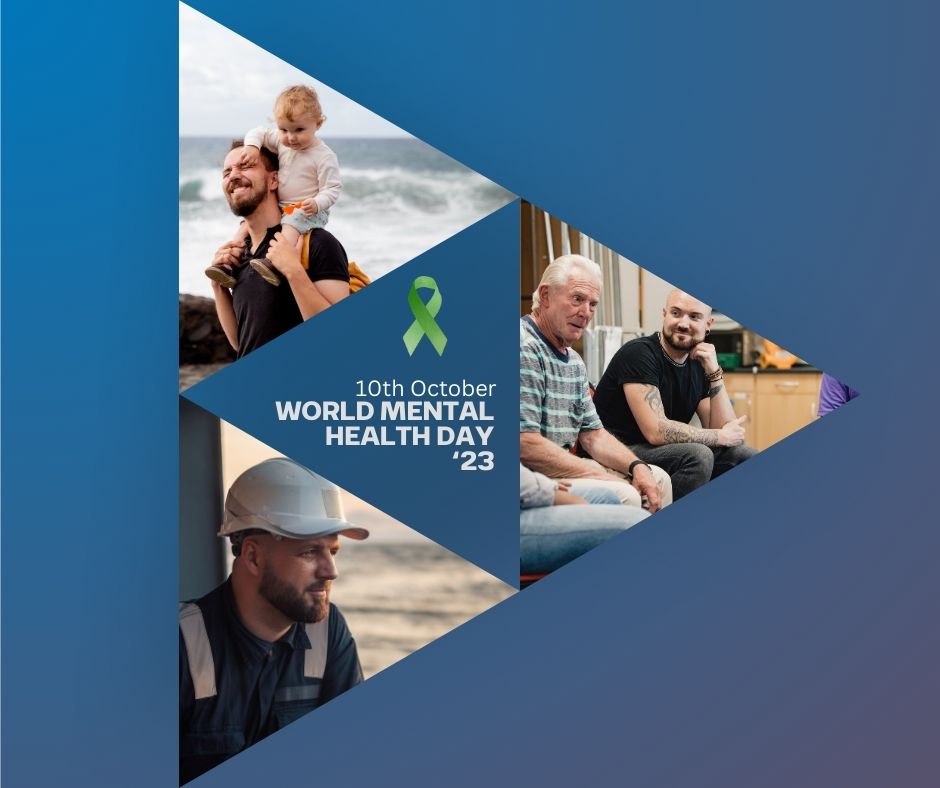
World Mental Health Day aims to increase awareness and focus on mental well-being. Working in offshore drilling can be physically and mentally challenging due to the isolation, long shifts, and intense working environment. With that in mind, here are five valuable resources, websites, and organizations that can help these individuals cope with the unique challenges they face.
1. U OK M8
This initiative by LadBible allows a younger audience to feel comfortable around the important topic of mental health. It has tonnes of helpful articles that you can read whenever you need. This is such a great resource for reminding us that mental health is something that everyone deals with.
2. MentalHealth.org
MentalHealth.org.uk provides a wide range of articles, fact sheets, and guides that can help offshore drilling workers better understand mental health issues. From stress management to anxiety and depression, these resources offer insights and strategies for coping with the mental challenges associated with offshore work.
3. Crisis Text Line:
For those who may need immediate assistance, Crisis Text Line offers a free, confidential texting service available 24/7. Offshore drilling workers can reach out for support during challenging times, allowing them to connect with trained crisis counsellors via text message.
4. Offshore Workers Support:
www.offshoreworkerssupport.com
This organisation is dedicated to the mental health and well-being of offshore workers specifically. They provide resources, forums, and connections to mental health professionals who understand the unique challenges of working offshore. It’s an excellent platform for finding relevant support.
5. Mind:
While primarily based in the UK, Mind offers a wealth of information and resources on mental health. Their online community, blogs, and guides can be valuable for offshore drilling workers worldwide. They also provide guidance on managing work-related stress and seeking help when needed.
You
People tend to forget what you say but always remember how you made them feel. It’s important to understand the difference you make by showing respect and a willingness to listen to others.
Also, when you help others, you feel good about yourself, right?
Conclusion
These resources are available and can be invaluable when you need them. Remember, seeking help takes courage and a true sign of strength. Mental health is a universal human right and no one should face mental health issues alone.
Recent Posts

OEUK Introduces 124kg Offshore Weight Limit for Safer Operations
Offshore Energies UK (OEUK) has announced a new safe clothed weight limit of 124kg for all offshore workers, effective November 2026. Learn what this means for offshore personnel, how the phased roll-out works, and how GRN Drilling supports candidate wellbeing and compliance.

UKCS Clothing Policy Winter Changes
This month you’ll be required to wear 3 layers under your survival kit when you are mobilising. There are some statements about what is required so we’ve put the information together for you so you are all set for your next trip.
So When is this required?
Between the 1st of October and the 31st of May, when you go offshore you must wear 3 layers of clothing under your survival kit. An example of this would be a long sleeve top, short sleeve top and a jumper.
Between the 1st of June and the 30th of September this is classed as summer and you only need 2 layers (e.g. a T-shirt and a jumper)
What is approved
Tops
• T-shirts
• Long Sleeve tops
• Jumpers (but not hoodies!)
• Jackets
Leg-wear
• Trousers
• Jeans
• Tracksuit Bottoms
Footwear
• Trainers
• Boots
• shoes
What is NOT Approved
Tops
• Hoodies
• Dresses
Leg-wear
• Skirts
• Shorts
Footwear
• Crocs
• Sandals/Flipflops
• High Heels
Common questions
Here are some common questions and the answers from Step Change in Safety.
Can I wear jeans?
Yes you can wear jeans to travel in.
Why is summer in June and not May?
We took the average sea temperatures of the UKCS over a number of years to decide when the water is warmer and when it is colder, therefore requiring more or less layers. We then used this information to decide that Summer is from 1st June – 30th September and Winter is 1st October – 31st May.
Why three layers in winter?
Studies have shown that the more layers you have on, the lower your risk of getting hypothermia when exposed to cold water.
During winter you must wear 3 layers, one of which must be a long-sleeved top. It is important to protect your core so more layers are required to cover your chest and internal organs.
Why no hoodies?
Hoodies, or any item of clothing with a hood, will interfere with the neck seal of the survival suit. It is essential that the seal around your neck and wrists is strong so that in the extremely unlikely event you are in the water there are no weaknesses in the seals to allow water into the suit.
Polo-necks and jackets with high collars also pose a risk to the neck seal.
Any other questions?
Remember, our team are here for you and we are always happy to answer any question you have big or small! You can also find more information at https://www.stepchangeinsafety.net/

GRN Kilt Walk 2024
We did it! A fantastic day on Sunday as the GRN team completed the 18 mile Kilt Walk to raise...